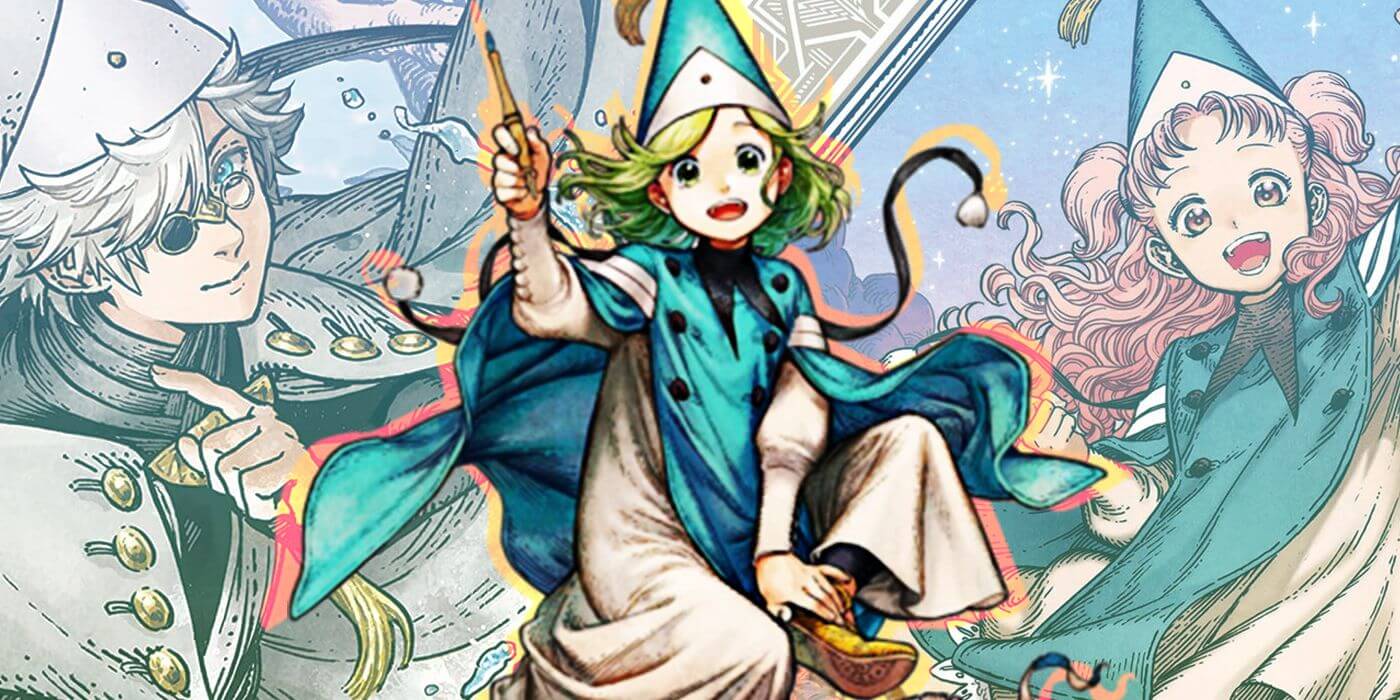
The wait is over—April 6, 2026. Witch Hat Atelier is finally here. This is one of those titles that’s been sitting in the back of my mind for a while now, quietly building anticipation, and now it’s actually real.
If you don’t know what Witch Hat Atelier is, it’s a Japanese manga written and illustrated by Kamome Shirahama. The series first began in 2016 and has since grown into one of the most acclaimed modern fantasy manga out there. Basically, if you’ve somehow missed it, don’t worry you’re about to hear why people won’t stop talking about it.
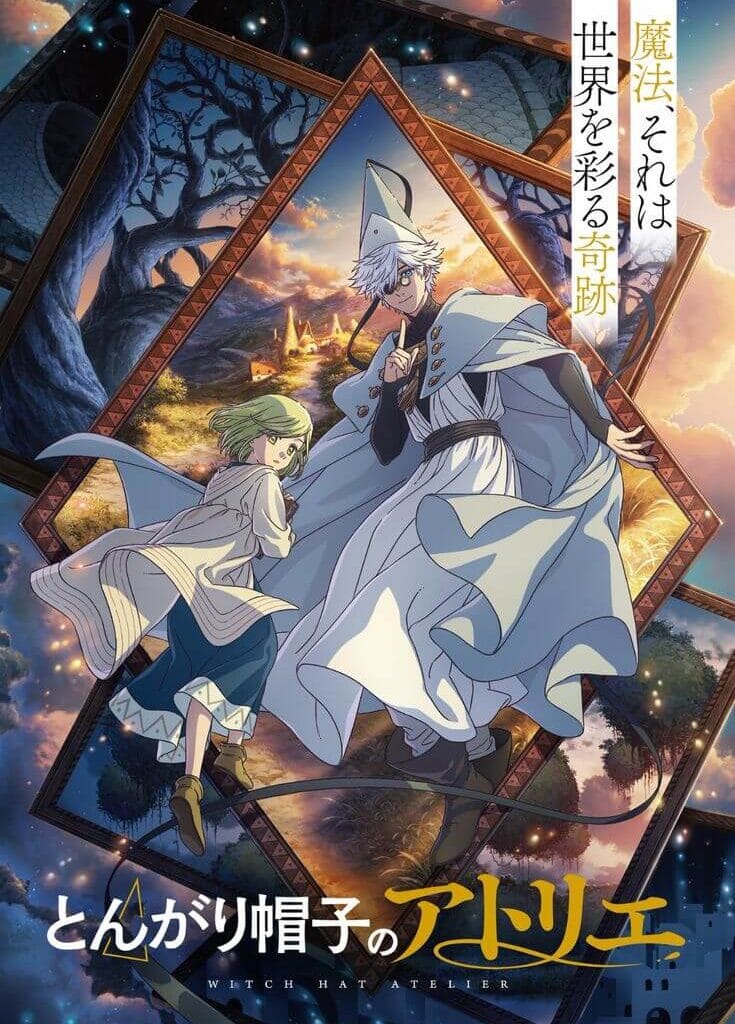
Hint of the Story of Coco
I’ll explain the story a little bit. Witch Hat Atelier is a fantasy anime that follows a young girl named Coco, who dreams of becoming a witch. She lives in a world where magic is believed to be something you’re born with—so naturally, someone like her has absolutely zero chance. Great start, right?
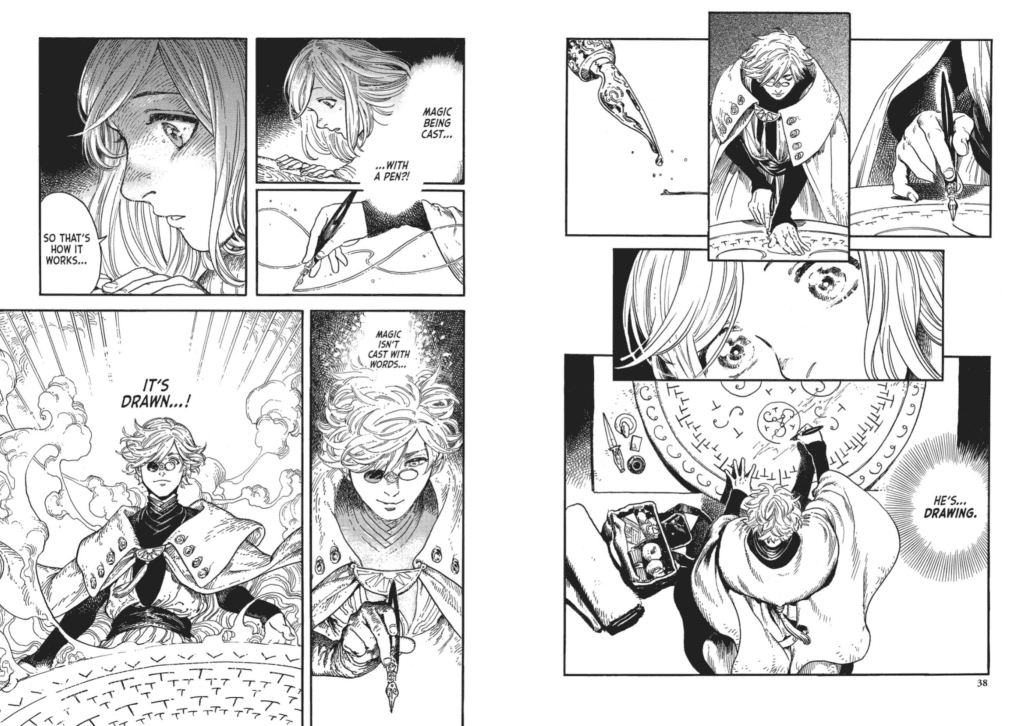
But everything changes after a mysterious encounter. She discovers that magic isn’t something exclusive—you don’t have to be born with it. Turns out, the whole system is a bit more…complicated than people thought. As the story progresses, Coco meets a rather mysterious mentor and enters the world of magic. Here’s where things get interesting: magic isn’t cast with words or spells—it’s drawn using symbols. And instead of raw power, what really matters is knowledge and the precision of drawing those symbols. So yeah, it’s less “fireball go boom” and more “did you draw that circle correctly or did you just accidentally ruin your life?”
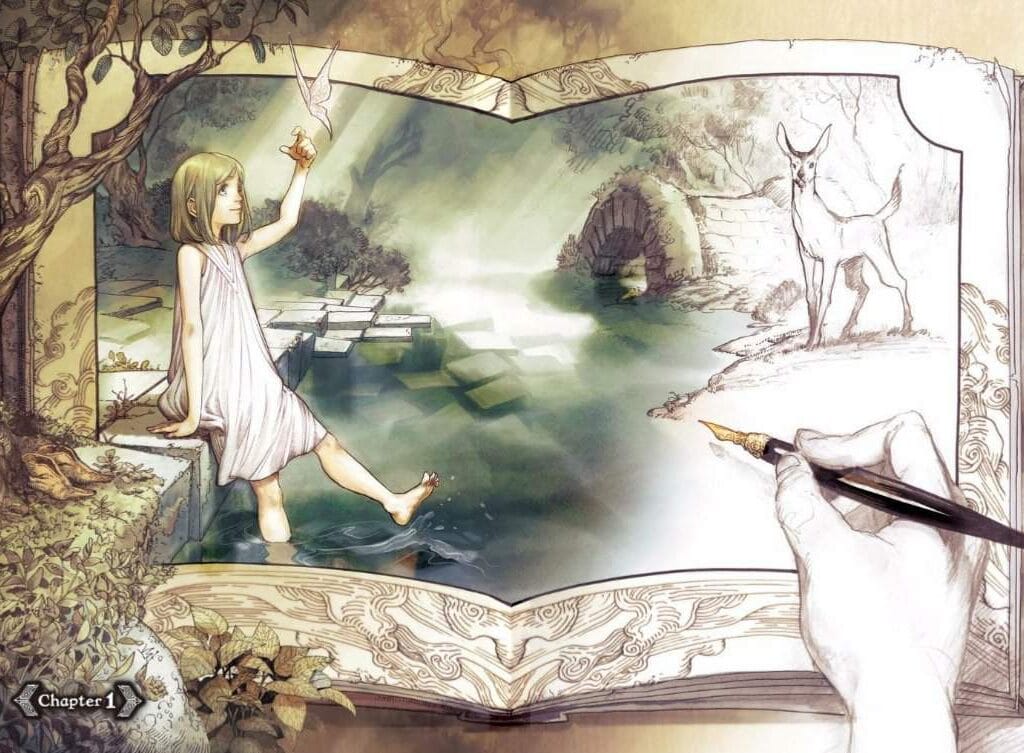
Even though her journey begins on a hopeful note, it doesn’t stay that simple. The world of magic is beautiful, but also incredibly complex—and one small mistake can have serious consequences. Her curiosity slowly pulls her away from her peaceful life, and things start to get… not so peaceful anymore. Overall, this is a rich story that focuses on ethics, learning, and discovery. The art style and visuals are incredibly immersive, giving a lifelike feeling throughout the story. That’s really what makes readers connect with it—people don’t just like the characters, they actually care about them.
But I didn’t just randomly pick up and read the book—I’ve actually only read about three chapters so far. My first real glimpse into Coco’s story came from a YouTube video by Kezutsukami titled “The Most Terrifying Depiction of Magic in Manga.” So yeah… I did get spoiled a bit. Not ideal, but honestly, it was a great video and I really enjoyed it.
Hearing about the story got me interested, and once I found out the anime was finally releasing this year, I went ahead and read a few chapters myself. Now its finally released now its time to compare
The adaptation was originally supposed to come out in 2025, but it got delayed by a year. So now I’m really curious to see how much that extra time helped the production quality. Hopefully this is one of those “delay = better anime” situations and not the other kind.
As for the manga itself, it’s been great so far. The art style is honestly amazing—I’d even use it as a study reference, especially for composition in manga panels. If you’re an artist, this is definitely something worth looking into.
Since the anime has been released, I thought now it’s time to properly compare the two. But first, let’s figure out who is behind the adaptation. Not just the studio name you see for two seconds and forget—but the people actually making the decisions.
Production Behind Witch Hat Atelier

Now let’s talk about the adaptation.
For this adaptation, there’s a high-profile, carefully assembled production team—one that clearly prioritizes visual storytelling and strong atmospheric direction. The series is being developed by Bug Films. I’m not too familiar with the studio overall, but one of their most notable productions is Zom 100: Bucket List of the Dead, which I personally really enjoyed—so that’s already a pretty solid sign.
Production for this anime reportedly started around 2019, and it’s been a challenging project for the team. Considering how detailed and intricate the original manga is, that’s not surprising at all. This isn’t the kind of story you can rush—every visual element matters.
Here’s the core staff lineup:
- Director: Ayumu Watanabe
- Assistant Director: Jun Shinohara
- Series Composition (Script): Hiroshi Seko
- Character Design / Chief Animation Director: Kairi Unabara
- Art Director: Ryota Goto
- Color Design: Naomi Nakano
- Director of Photography: Tadashi Kitaoka
The soundtrack is composed by Yuka Kitamura, who’s known for her work on Elden Ring—so yeah, expect something atmospheric and powerful.
Theme Songs
- Opening Theme: Performed by Eve (featuring Suis of Yorushika)
- Ending Theme: Performed by Nakamura Hak
Voice Cast (Main)
- Coco: Rena Motomura
- Qifrey: Natsuki Hanae

Comparison of the Adaptation and Manga
I’ve watched the first episode, and it was honestly great. I mean, really—it had that sort of adventurous vibe. I think if you liked Frieren: Beyond Journey’s End, you would love this.
Considering this contains spoilers for episode 1, I suggest you watch it first.
The Magical world Building through visual Art
The art was great,the way the environment was shown felt really similar to the actual manga.
The transition from the storybook to the pond was smooth, and many frames stayed still, mainly focusing on Coco. One great approach was that, instead of matching the exact pacing of the manga, it took its time without any dialogue,just Coco slowly coming in to wash the clothes.
The depth of the forest can be compared to the negative space in the manga.
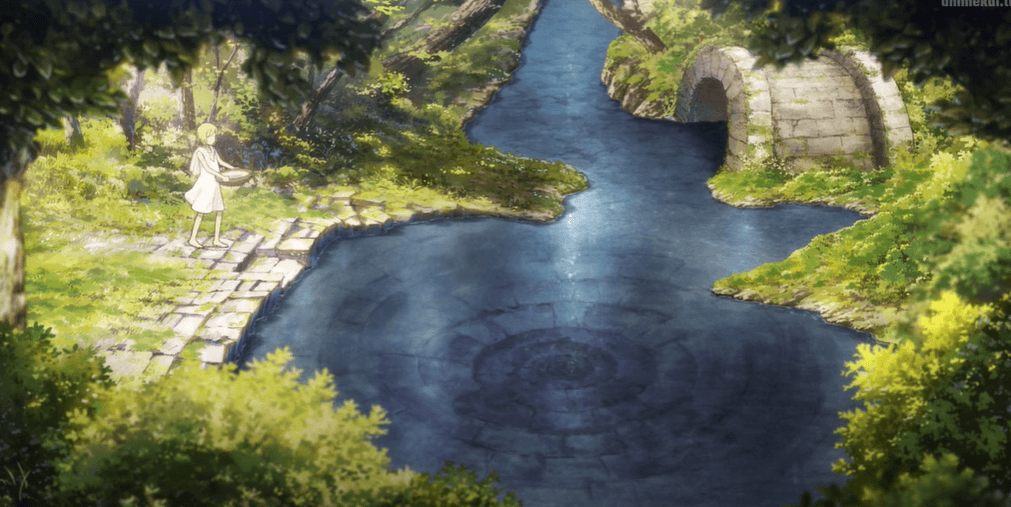
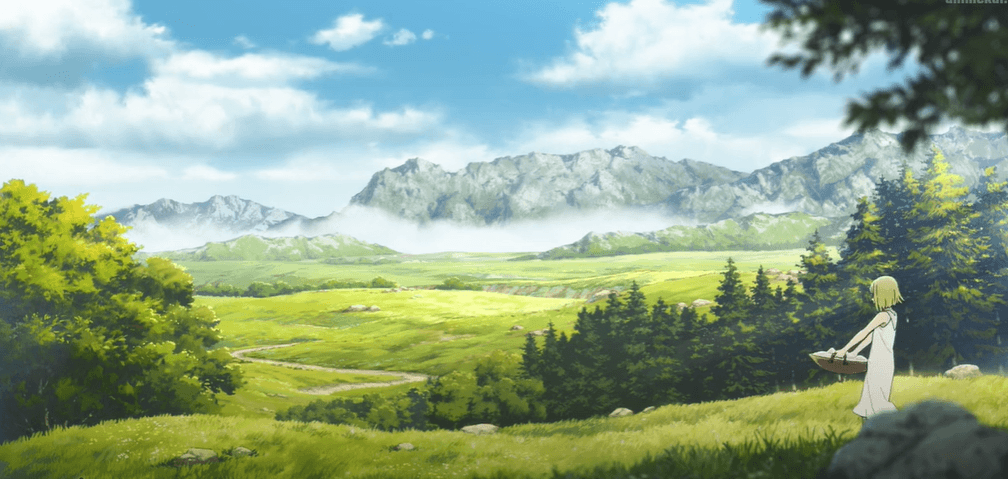
After leaving the jungle, the character is shown in a massive environment, emphasizing how big the world is. The use of still frames captures her as small within that vast space. When the Pegasus carriage was shown, the rotating view was smoother. The 3D model of the house somewhat had drawing patterns similar to Arcane, giving it a similar stylized 3D look. All of this shows much more of the background compared to the manga, which was great. The depth was also well shown through the use of yellow-green tones for the ground and bluish tones for the background.
The manga has detailed backgrounds, especially indoors—patterns on carpets, wooden doors,giving the drawings a lot of complexity. Similarly, in the anime, the shop is filled with clothes, each with its own pattern, which captures that complexity really well. Much of the episode uses a natural color palette—greens and browns. But when they show her past, when she first starts to like magic, the art shifts to blue and yellow, creating a strong contrast around Coco. Her entire outline is blue, and it contrasts beautifully with the light from her footsteps, glowing sparkles, and vibrant lights. It gives her a sense of hope that she can use magic. But as she moves away from the town, the background darkens, showing her loss of hope.
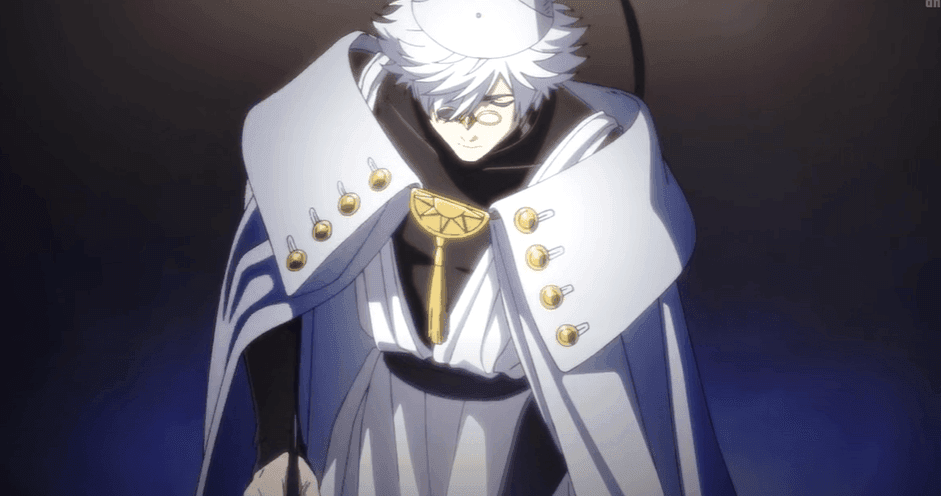
One of the most beautiful scenes was when Qifrey holds her in the sky, telling her she needs to become a mage. The sun and the dark sky create a stunning contrast, showing the new journey that lies ahead.
Character Design and Animation
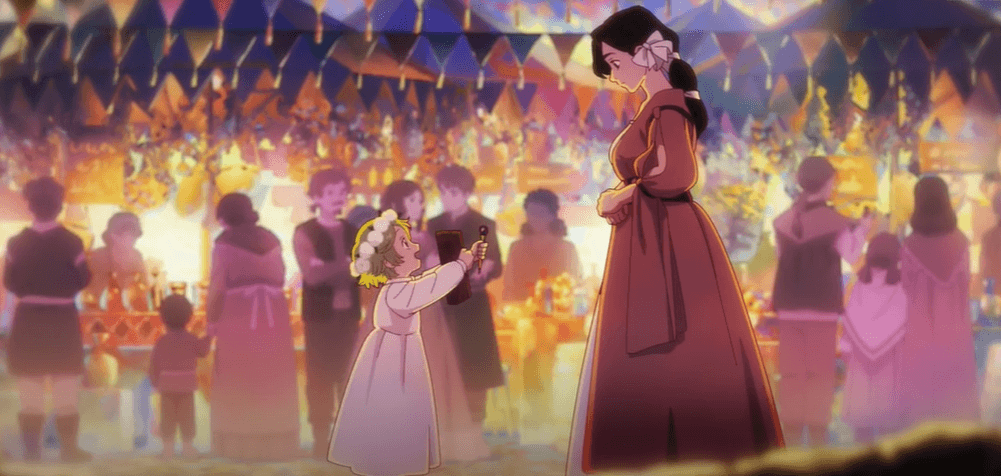
The main character design was really similar; the only difference was that the halftone in the manga gives certain body parts more depth. The animation was fluid from the first scene—the character walks and interacts with the environment while the camera stays still, which gives a cool cinematic view.
Even when the memories are shown, the animation and atmosphere create a dreamy, magical feeling, showing Coco’s love for magic. But when Qifrey draws the magic to fix the wheel, the dark background and his hand gliding through it with a pen show a sense of mystery.
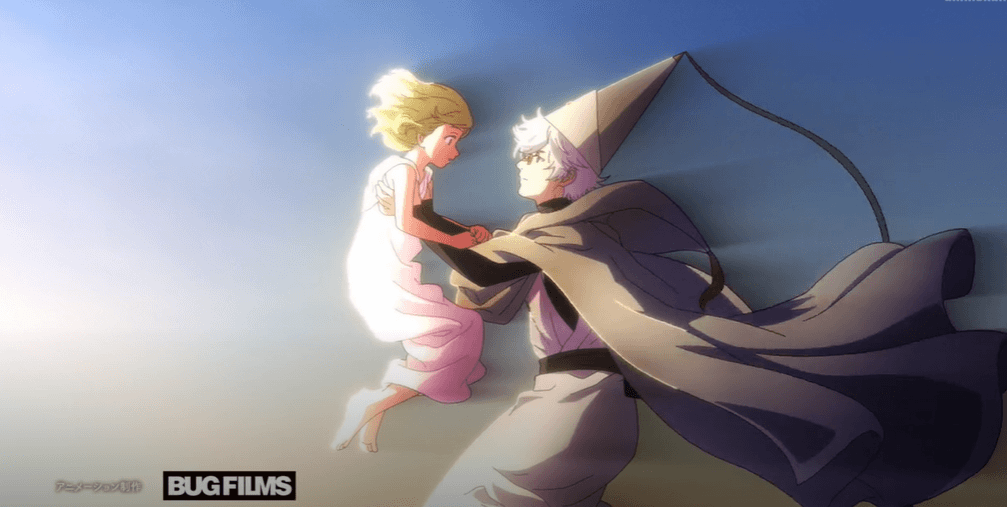
One of the best parts was when the forbidden magic explodes at the end of the episode—Qifrey grabs Coco and runs through the window into the sky. The whole scene is done in a one-shot, with the camera following Qifrey. The animation fluidity was amazing, and it was well animated, with light and shadow used naturally to show depth.
Voice acting and sound design
Coco is voiced by Rena Motomura. I honestly don’t know much about her, but her voice acting was great and really gave Coco a lifelike feeling. Her excitement and emotions come through clearly,her love for magic and her sadness are both portrayed really well through her performance.
Qifrey is voiced by Natsuki Hanae—you might know him as Tanjiro. I thought they might go with someone with a deeper voice, similar to Gojo, but Natsuki did a fine job in the adaptation.
This type of story has a unique style,from the music design to the theme song, it feels very similar to Frieren: Beyond Journey’s End, with that sense of adventure and journey. The music fully matches the background, and most importantly, the ambience and background sounds really immerse us in the story—it gives life to the world and nature.
What Is the BEST?
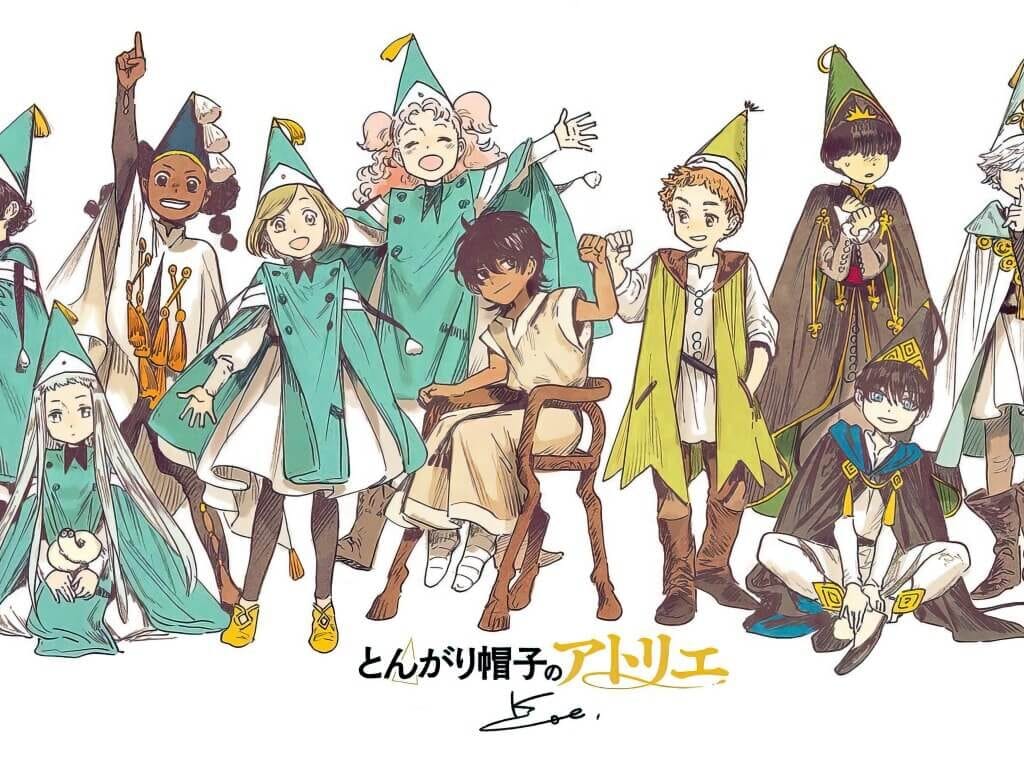
It was a great episode that really captures the essence of the manga. It does justice to the source material, considering that most modern adaptations are filled with 3D garbage and sloppy animation, this one exceeded expectations. I’d say the years of waiting were totally worth it.
Honestly, I can’t say which is better ,they’re both great in their own way, and neither will disappoint. So read or watch, do as you please.
Happy reading or watching, and keep drawing!
Read About Fire Force Season 3 Down Fall

